My first blog: Meditations 6
March 22, 2024
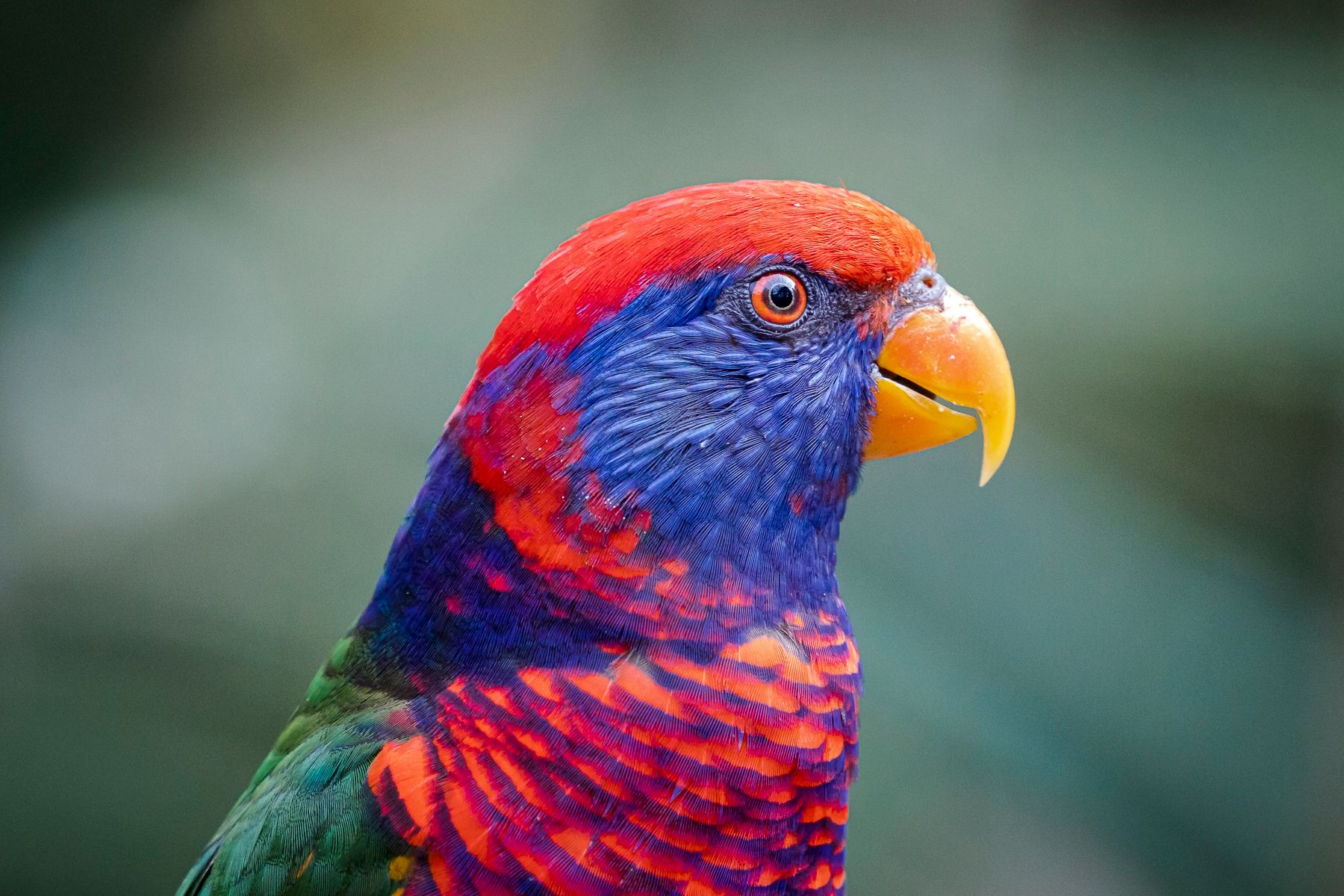
The whole work on parrots can be found in my portfolio .
When we have meat before us and such eatables we receive the impression, that this is the dead body of a fish, and this is the dead body of a bird or of a pig; and again, that this Falernian is only a little grape juice, and this purple robe some sheep's wool dyed with the blood of a shell-fish: such then are these impressions, and they reach the things themselves and penetrate them, and so we see what kind of things they are. Just in the same way ought we to act all through life, and where there are things which appear most worthy of our approbation, we ought to lay them bare and look at their worthlessness and strip them of all the words by which they are exalted. For outward show is a wonderful perverter of the reason, and when thou art most sure that thou art employed about things worth thy pains, it is then that it cheats thee most. Consider then what Crates says of Xenocrates himself. Most of the things which the multitude admire are referred to objects of the most general kind, those which are held together by cohesion or natural organization, such as stones, wood, fig-trees, vines, olives. But those which are admired by men who are a little more reasonable are referred to the things which are held together by a living principle, as flocks, herds. Those which are admired by men who are still more instructed are the things which are held together by a rational soul, not however a universal soul, but rational so far as it is a soul skilled in some art, or expert in some other way, or simply rational so far as it possesses a number of slaves. But he who values rational soul, a soul universal and fitted for political life, regards nothing else except this; and above all things he keeps his soul in a condition and in an activity conformable to reason and social life, and he co-operates to this end with those who are of the same kind as himself. Some things are hurrying into existence, and others are hurrying out of it; and of that which is coming into existence part is already extinguished. Motions and changes are continually renewing the world, just as the uninterrupted course of time is always renewing the infinite duration of ages. In this flowing stream then, on which there is no abiding, what is there of the things which hurry by on which a man would set a high price? It would be just as if a man should fall in love with one of the sparrows which fly by, but it has already passed out of sight. Something of this kind is the very life of every man, like the exhalation of the blood and the respiration of the air. For such as it is to have once drawn in the air and to have given it back, which we do every moment, just the same is it with the whole respiratory power, which thou didst receive at thy birth yesterday and the day before, to give it back to the element from which thou didst first draw it. Neither is transpiration, as in plants, a thing to be valued, nor respiration, as in domesticated animals and wild beasts, nor the receiving of impressions by the appearances of things, nor being moved by desires as puppets by strings, nor assembling in herds, nor being nourished by food; for this is just like the act of separating and parting with the useless part of our food. What then is worth being valued? To be received with clapping of hands? No. Neither must we value the clapping of tongues, for the praise which comes from the many is a clapping of tongues. Suppose then that thou hast given up this worthless thing called fame, what remains that is worth valuing? This in my opinion, to move thyself and to restrain thyself in conformity to thy proper constitution, to which end both all employments and arts lead. For every art aims at this, that the thing which has been made should be adapted to the work for which it has been made; and both the vine-planter who looks after the vine, and the horse-breaker, and he who trains the dog, seek this end. But the education and the teaching of youth aim at something. In this then is the value of the education and the teaching. And if this is well, thou wilt not seek anything else. Wilt thou not cease to value many other things too? Then thou wilt be neither free, nor sufficient for thy own happiness, nor without passion. For of necessity thou must be envious, jealous, and suspicious of those who can take away those things, and plot against those who have that which is valued by thee. Of necessity a man must be altogether in a state of perturbation who wants any of these things; and besides, he must often find fault with the gods. But to reverence and honour thy own mind will make thee content with thyself, and in harmony with society, and in agreement with the gods, that is, praising all that they give and have ordered.